Winter Electrical Guide: 5 Vital Tips to Prevent Electrical Problems in Cold Weather

As winter approaches, bringing with it plummeting temperatures and increased reliance on heating systems, the strain on our electrical infrastructure becomes significantly higher. For homeowners and businesses alike, understanding and mitigating potential electrical problems in cold weather is not just a matter of convenience, but crucial for safety and continuity. This comprehensive guide will walk you through five essential tips to safeguard your electrical systems, ensuring a warm, safe, and uninterrupted winter season. Proactive measures are key to avoiding costly repairs and hazardous situations when the mercury drops.
Understanding Winter Electrical Challenges and Cold Weather Electrical Safety
The colder months present a unique set of challenges for electrical systems. Lower temperatures can affect wiring, insulation, and outdoor components, making them more susceptible to damage and failure. Furthermore, the increased use of electric heaters, festive lights, and other high-demand appliances often pushes home electrical systems to their limits, leading to potential overloads and outages. Addressing these winter electrical issues proactively is paramount for maintaining safety and operational efficiency.
The Impact of Cold on Electrical Systems
Cold weather can cause materials to contract, including electrical wiring and connections. This contraction, coupled with the expansion that occurs when systems heat up during use, can lead to loose connections over time. Loose connections are a significant fire hazard and a common cause of power fluctuations. Insulation on older wiring can also become brittle in extreme cold, increasing the risk of cracks and exposed wires. This makes regular inspection and maintenance of your electrical setup a critical aspect of electrical safety during winter.
Increased Demand and Overload Risks
Winter sees a spike in electricity consumption. Space heaters, electric blankets, water heaters, and additional lighting for longer, darker days all contribute to this surge. An older or inadequately sized electrical panel may struggle to cope with this heightened demand, leading to tripped breakers, flickering lights, or even damage to appliances. Understanding your home’s electrical capacity and avoiding overloading circuits is a fundamental part of preventing electrical problems in cold weather.
برای کسب اطلاعات بیشتر و مشاوره تخصصی:
Five Essential Tips for Robust Winter Electrical Safety
To navigate the winter months without electrical mishaps, proactive maintenance and smart usage are key. Here are five crucial tips that can help prevent emergency repairs and ensure your home remains safe and warm.
۱٫ Inspect Your Wiring and Outlets for Winter Readiness
Before the peak of winter, take the time to visually inspect your home’s wiring and outlets. Look for any signs of wear and tear, frayed cords, loose connections, or discolored outlets, which can indicate overheating. Pay particular attention to areas where appliances are frequently plugged in. If you notice any issues, it’s best to contact a qualified winter electrician. They can identify hidden dangers and perform necessary repairs or upgrades, ensuring your system is robust enough to handle increased demand.

۲٫ Manage Heating Appliance Usage to Prevent Overload
Electric heaters are notorious for drawing significant amounts of power. While essential for comfort, their usage must be managed carefully. Avoid plugging multiple high-wattage appliances into a single outlet or extension cord. Instead, distribute them across different circuits if possible. Ensure space heaters are placed on a flat, stable surface, away from flammable materials, and never leave them unattended. Using smart plugs can help you monitor and control usage, preventing accidental overloads and enhancing overall electrical safety.
۳٫ Protect Outdoor Electrical Components from the Elements
Outdoor electrical systems, including lighting, outlets, and pool equipment, are highly vulnerable to winter weather. Snow, ice, and freezing rain can damage wiring and cause short circuits. Ensure all outdoor outlets are covered with weatherproof covers and that any outdoor lighting is rated for exterior use. Disconnect and store any non-essential outdoor electrical decorations or appliances. If you have a generator, ensure it is properly maintained and stored in a well-ventilated area, ready for use in case of a power outage, which can be a common electrical problem in cold weather.
۴٫ Have a Backup Plan and Emergency Contacts Ready
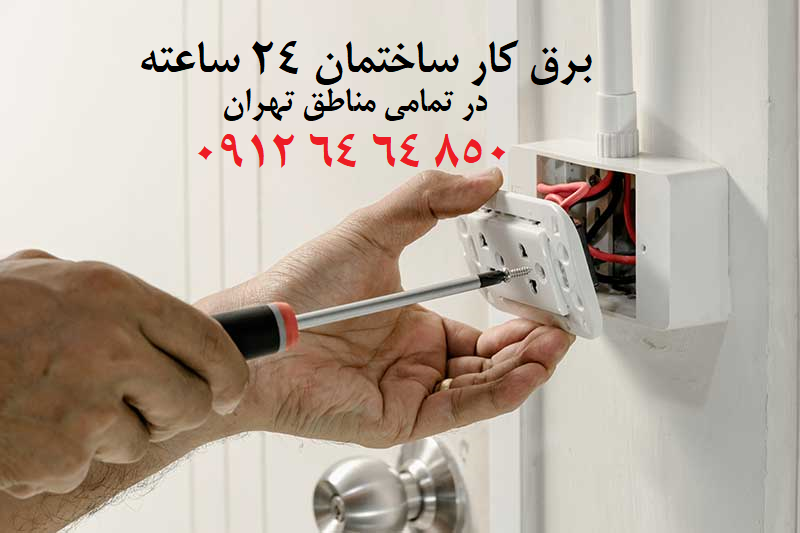
Despite all precautions, power outages can still occur, especially during severe winter storms. Prepare an emergency kit that includes flashlights, extra batteries, blankets, and a battery-powered radio. More importantly, have the contact information for an emergency electrician or mobile electrician readily available. Services like a 24-hour electrician can be a lifesaver when you’re facing unexpected emergency repairs in the middle of a cold night.
“Prevention is always better than cure, especially when it comes to electrical systems in winter. A small investment in time and professional inspection can save you from significant headaches and dangers down the line.”
۵٫ Schedule Regular Professional Electrical Inspections
The most effective way to prevent winter electrical problems is to have your system professionally inspected by a certified winter electrician. An expert can identify potential issues that are not visible to the untrained eye, such as deteriorating wiring, overloaded circuits, or outdated panels. They can recommend necessary upgrades or repairs, ensuring your electrical system is up to code and capable of safely handling the increased demands of winter. This periodic check is a cornerstone of comprehensive electrical safety.

When to Call a Winter Electrician for Emergency Repairs
While preventative measures are crucial, some situations demand immediate professional attention. Knowing when to call a winter electrician for emergency repairs can prevent escalating issues and ensure your safety.
Signs of Serious Electrical Issues
Do not hesitate to contact a professional if you experience any of the following:
- Burning Smell: A distinct burning odor coming from outlets or electrical panels.
- Frequent Breaker Trips: Circuit breakers tripping repeatedly, indicating an overload or short circuit.
- Flickering or Dimming Lights: Lights that constantly flicker or dim, suggesting unstable voltage.
- Sparks or Arcing: Any visible sparks or arcs from outlets, switches, or appliances.
- Hot Outlets or Switches: Electrical components that feel warm or hot to the touch.
- Partial or Complete Power Outage: If your neighborhood has power but your home doesn’t, or if only parts of your home have power.
These are clear indicators that you need prompt attention from an expert in emergency repairs.
The Role of a Mobile Electrician
A mobile electrician or a 24-hour service is invaluable during winter emergencies. They are equipped to handle urgent situations, often arriving quickly to diagnose and fix critical electrical problems in cold weather. Their expertise ensures that repairs are done safely and effectively, minimizing downtime and restoring comfort to your home. Always choose a licensed and insured professional for any electrical work.
Frequently Asked Questions
What are the most common electrical problems in cold weather?
The most common issues include circuit overloads due to increased use of heating appliances, power outages from severe weather damaging external lines, brittle wiring and insulation due to cold, and loose connections caused by material contraction and expansion. These often necessitate an emergency electrician.
How often should I have my electrical system inspected for winter readiness?
It’s generally recommended to have a professional electrical inspection every 3-5 years. However, if your home is older, you’ve recently added major appliances, or you notice any unusual electrical behavior, an annual pre-winter check by a winter electrician is highly advisable to ensure electrical safety.
Can I perform winter electrical maintenance myself?
Basic visual inspections (e.g., checking for frayed cords) can be done by homeowners. However, any work involving opening electrical panels, repairing wiring, or assessing circuit loads should always be handled by a qualified and licensed electrician. Attempting complex electrical repairs without proper training is extremely dangerous and can lead to serious injury or fire.
Conclusion
Preparing your electrical system for winter is a critical step in ensuring the safety and comfort of your home or business. By following these five vital tips – regular inspections, smart appliance usage, protecting outdoor components, having an emergency plan, and scheduling professional check-ups – you can significantly reduce the risk of electrical problems in cold weather. Remember, when in doubt, always consult a certified winter electrician for peace of mind and expert emergency repairs. Stay warm, stay safe, and keep your power flowing smoothly all winter long.
<div style="text-align:center;margin:30px 0;padding:20px;background:linear-gradient(135deg, #28a745 0%, #20c997 10