Ensuring Robust Electrical Safety in Winter: A Comprehensive Guide for Homes and Buildings

The arrival of winter brings with it a unique set of challenges and increased demands on our electrical systems. As temperatures drop and daylight hours shorten, the reliance on heating, lighting, and various electrical appliances surges, often pushing household and building electrical infrastructures to their limits. Understanding and implementing robust electrical safety measures during this critical season is not merely a recommendation; it is an absolute necessity to prevent hazards such as fires, electrocution, and power outages. This comprehensive guide will delve into essential practices and professional insights to help you safeguard your home and building against winter’s electrical risks.
Understanding Winter’s Unique Electrical Risks
Winter places significant stress on electrical systems due to several factors. The most prominent is the increased use of space heaters, electric blankets, and additional lighting, which can easily overload circuits not designed for such sustained high demand. Older wiring, faulty appliances, or improper use of extension cords can exacerbate these issues, turning minor electrical quirks into serious safety hazards. Furthermore, external factors like snow, ice, and strong winds can damage outdoor electrical components, posing risks of short circuits or power line failures. Proactive measures are key to mitigating these seasonal dangers and maintaining optimal electrical safety.
برای کسب اطلاعات بیشتر و مشاوره تخصصی:
Essential Electrical Safety Tips for Your Home in Winter
Ensuring your home is electrically safe for winter involves a combination of vigilant inspection and responsible usage. Here are some critical tips:
Heater and Appliance Safety: Preventing Overloads
One of the primary culprits for winter electrical issues is improper heater usage.
- Space Heater Placement: Always keep portable space heaters at least three feet away from anything flammable, including curtains, furniture, and bedding.
- Direct Plugging: Plug space heaters directly into a wall outlet. Avoid using extension cords or power strips, as they can easily overheat and cause fires.
- Regular Inspection: Check heating appliances for frayed cords, damaged plugs, or strange odors. Replace or repair faulty units immediately.
- Unplug When Unattended: Always unplug space heaters when leaving a room or going to sleep.
Managing Extension Cords and Power Strips
While convenient, extension cords and power strips are often misused, leading to hazards.
“Never daisy-chain extension cords together, and ensure that the cord’s wattage capacity exceeds the total wattage of the appliances plugged into it.”
Overloading power strips can cause them to overheat, trip circuit breakers, or even start fires. Use surge protectors for sensitive electronics, but remember they don’t prevent overloading.

Outdoor Electrical Safety During Winter
Outdoor lights and decorations are popular during winter, but they require special attention.
- Use only outdoor-rated lights and extension cords that are designed to withstand cold, moisture, and snow.
- Inspect all outdoor wiring for cracks, frayed insulation, or exposed wires before installation.
- Ensure all outdoor outlets are equipped with Ground Fault Circuit Interrupters (GFCIs) to protect against electric shock, especially where moisture is present.
- Secure outdoor lights and decorations firmly to prevent damage from strong winds.
When to Call a Professional Building Electrician
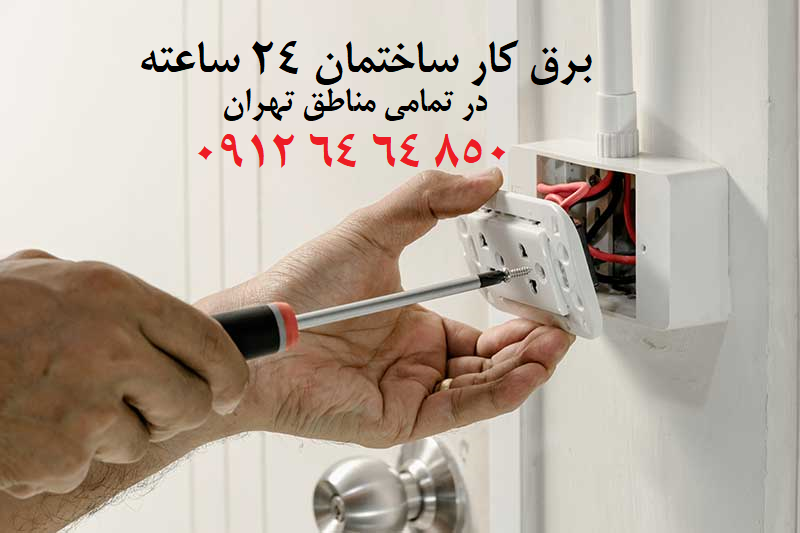
While DIY checks are important, certain electrical issues demand the expertise of a qualified professional. Ignoring warning signs can lead to severe consequences. If you notice any of the following, it’s time to contact a reliable برق کار ساختمان (building electrician):
- Flickering or dimming lights, especially when appliances turn on.
- Outlets or switches that are hot to the touch.
- A persistent burning smell coming from outlets or the electrical panel.
- Frequent tripping of circuit breakers.
- Sparks or buzzing sounds from outlets or appliances.
- Any signs of water damage near electrical components.
A professional برق کار تهران (Tehran electrician), such as one serving areas like برق کار پاسداران (Pasdaran electrician) or برق کار جوردن (Jordan electrician), possesses the knowledge and tools to diagnose and safely resolve complex electrical problems that are beyond the scope of a homeowner. They can perform comprehensive inspections, identify underlying issues, and ensure your electrical system complies with current safety standards.
The Importance of Professional Electrical Inspections for Winter
Before winter sets in, consider scheduling a professional electrical inspection. A certified برق کار ساختمان can:
- Assess your home’s electrical capacity to handle increased winter loads.
- Inspect wiring, outlets, and the electrical panel for signs of wear, damage, or outdated components.
- Check for proper grounding and the functionality of GFCIs and Arc Fault Circuit Interrupters (AFCIs).
- Recommend necessary upgrades or repairs to enhance overall electrical safety.
This preventative step is crucial for older homes or buildings, where the electrical infrastructure may not be equipped to handle modern electrical demands.
Frequently Asked Questions
What are the most common electrical hazards during winter?
The most common electrical hazards in winter include overloaded circuits from increased use of heating appliances, faulty extension cords, improper use of space heaters, and damaged outdoor wiring due to harsh weather conditions. These can lead to fires, electrocution, or power failures.
How often should I have my electrical system inspected by a professional?
It is generally recommended to have a professional electrical inspection at least every 5-10 years, or immediately if you notice any unusual electrical activity, are purchasing an older home, or are undertaking major renovations. For winter preparedness, an inspection before the cold season can provide peace of mind.
Can I use any extension cord for outdoor winter decorations?
No, you should only use extension cords specifically rated for outdoor use. These cords are designed to withstand extreme temperatures, moisture, and UV exposure. Always check the cord’s label for its outdoor rating and ensure it’s in good condition before use.
Conclusion
Ensuring robust electrical safety in your home or building during winter is a critical responsibility that protects your property and, most importantly, the lives of its occupants. By following these comprehensive guidelines—from vigilant personal practices with appliances and cords to understanding when to enlist the expertise of a professional برق کار ساختمان—you can significantly reduce the risk of electrical hazards. Proactive maintenance, regular inspections, and adherence to safety protocols are your best defense against winter’s electrical challenges. Don’t wait for an incident to occur; take steps today to secure your electrical system for a safe and warm winter.
برای مطالعه بیشتر و منابع تخصصی: